
Thermal imaging uses infrared technology to detect heat signatures invisible to the naked eye: revealing equipment problems, structural weaknesses, and energy inefficiencies before they escalate into costly failures. For property managers and facility operators, professional drone inspection services with thermal cameras transform reactive maintenance into predictive maintenance.
Most costly equipment failures and structural issues begin with subtle temperature changes. A bearing wearing down generates excess heat. An electrical connection loses integrity and produces a hot spot. Moisture trapped in insulation creates a cool signature against surrounding materials. By the time these problems become visible: smoke, leaks, total failure: the damage is already extensive and expensive.
Thermal imaging detects these issues early. Infrared sensors map surface temperatures across buildings, equipment, and infrastructure, identifying anomalies that signal declining performance or hidden damage. The result: fewer emergency repairs, extended asset lifecycles, and maintenance budgets allocated strategically instead of reactively.
How Thermal Imaging Identifies Hidden Problems
Heat is often the first symptom of equipment degradation or structural compromise. Thermal cameras capture this heat before mechanical failure or visible damage occurs.
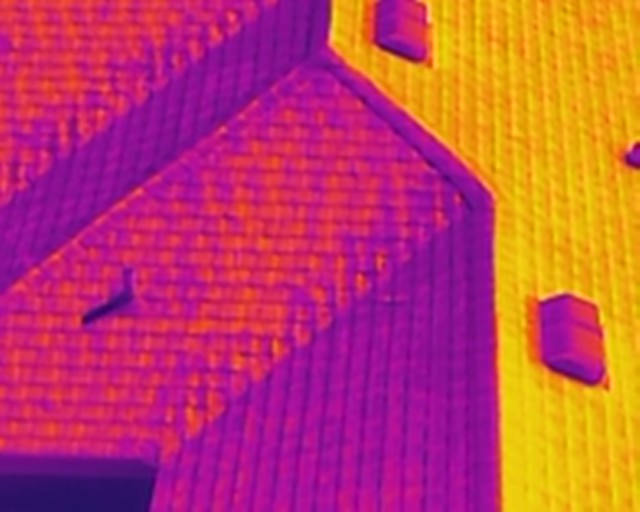
Early anomaly detection gives maintenance teams a critical window. An overheating motor bearing shows elevated temperatures days or weeks before seizure. A loose electrical connection generates excess resistance: and excess heat: long before sparking or failure. Moisture intrusion beneath roofing membranes creates cool zones detectable through thermal imaging, even when the surface appears dry.
Traditional inspections rely on visible symptoms or scheduled intervals. Thermal imaging reveals conditions in real-time, mapping the exact location and severity of problems across large areas in minutes. Instead of waiting for equipment to fail or relying on time-based maintenance schedules, facility managers gain data-driven insight into actual asset conditions.
Why Drone-Based Thermal Inspection Changes the Game
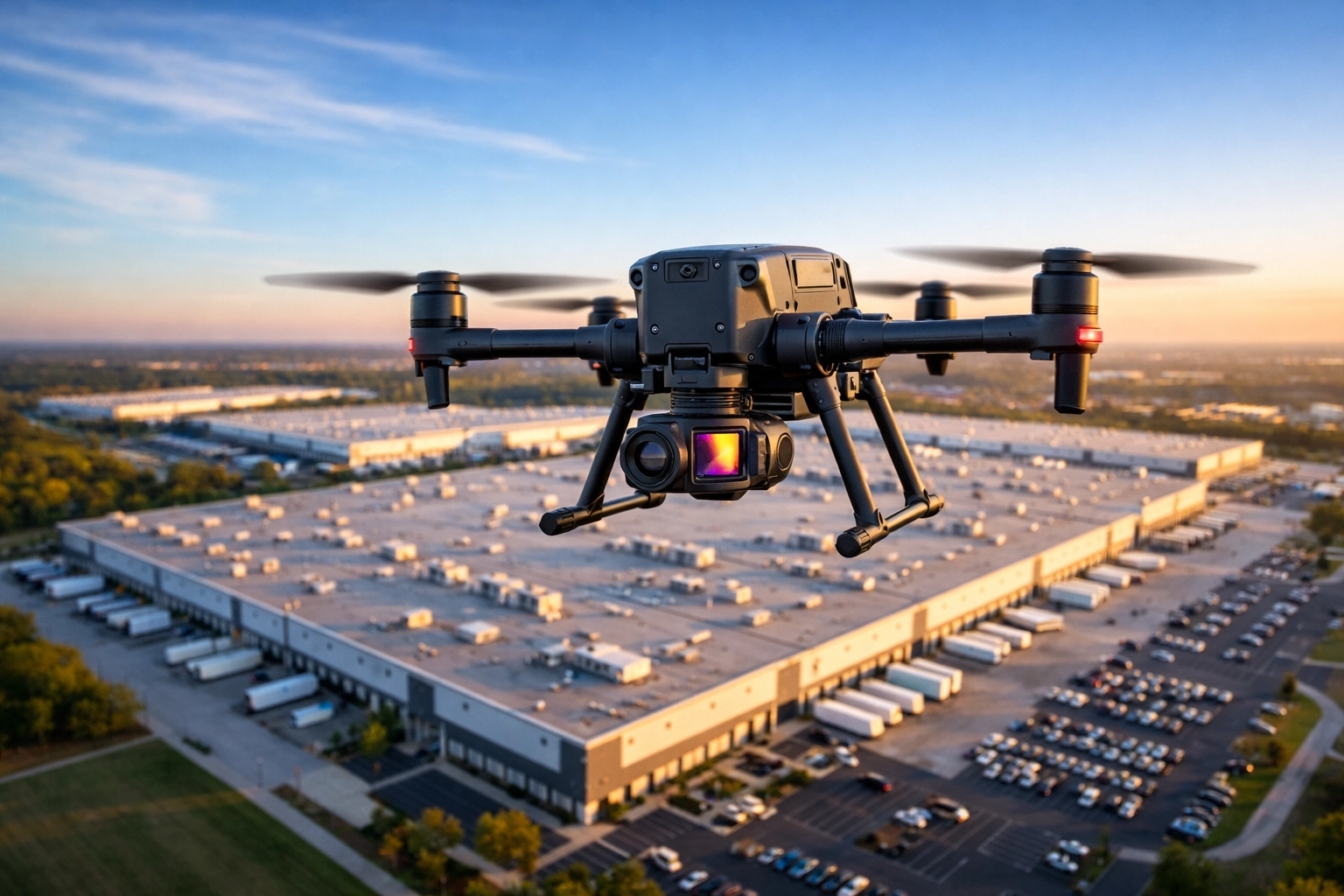
Ground-based thermal cameras require physical access to equipment and structures: ladders, lifts, scaffolding, or facility shutdowns. Roof inspection drones equipped with thermal sensors eliminate those barriers.
A single aerial thermal mission captures complete roof coverage, electrical panels on building exteriors, HVAC units on rooftops, and solar arrays: all without interrupting operations or introducing fall risks. The imagery provides a permanent record for trend analysis: compare this month's thermal scan against last quarter's to identify equipment showing progressive heat increases.
Cape UAV uses the Autel Robotics EVO Lite 6T Enterprise with a 640×512 thermal sensor for industrial and commercial inspections. This enterprise-grade platform delivers the resolution needed to detect small anomalies across large facilities: and our Level 1 UAS Thermography certification ensures we're capturing and interpreting thermal data correctly.
Autel Robotics is a trademark of its respective owner; Cape UAV is not affiliated with or endorsed by Autel Robotics.
Key Applications for Property and Facility Managers
Thermal imaging identifies opportunities for efficiency across four critical maintenance categories.
Electrical Systems: Preventing Fires and Outages
Electrical failures account for significant downtime and fire risk in commercial and industrial facilities. Thermal imaging detects electrical faults before they cause failures: loose connections, overloaded circuits, failing contactors, and imbalanced loads all generate detectable heat.
Hot spots in electrical panels signal connection degradation. Temperature asymmetry across three-phase systems indicates imbalance. Transformers showing elevated temperatures require attention before insulation breakdown. These issues are invisible during visual inspections but unmistakable in thermal imagery.
Regular thermal scans of electrical distribution systems support proactive maintenance scheduling. Address a loose connection during planned maintenance rather than responding to an emergency outage: or worse, a fire.
Motors, Bearings, and Mechanical Systems
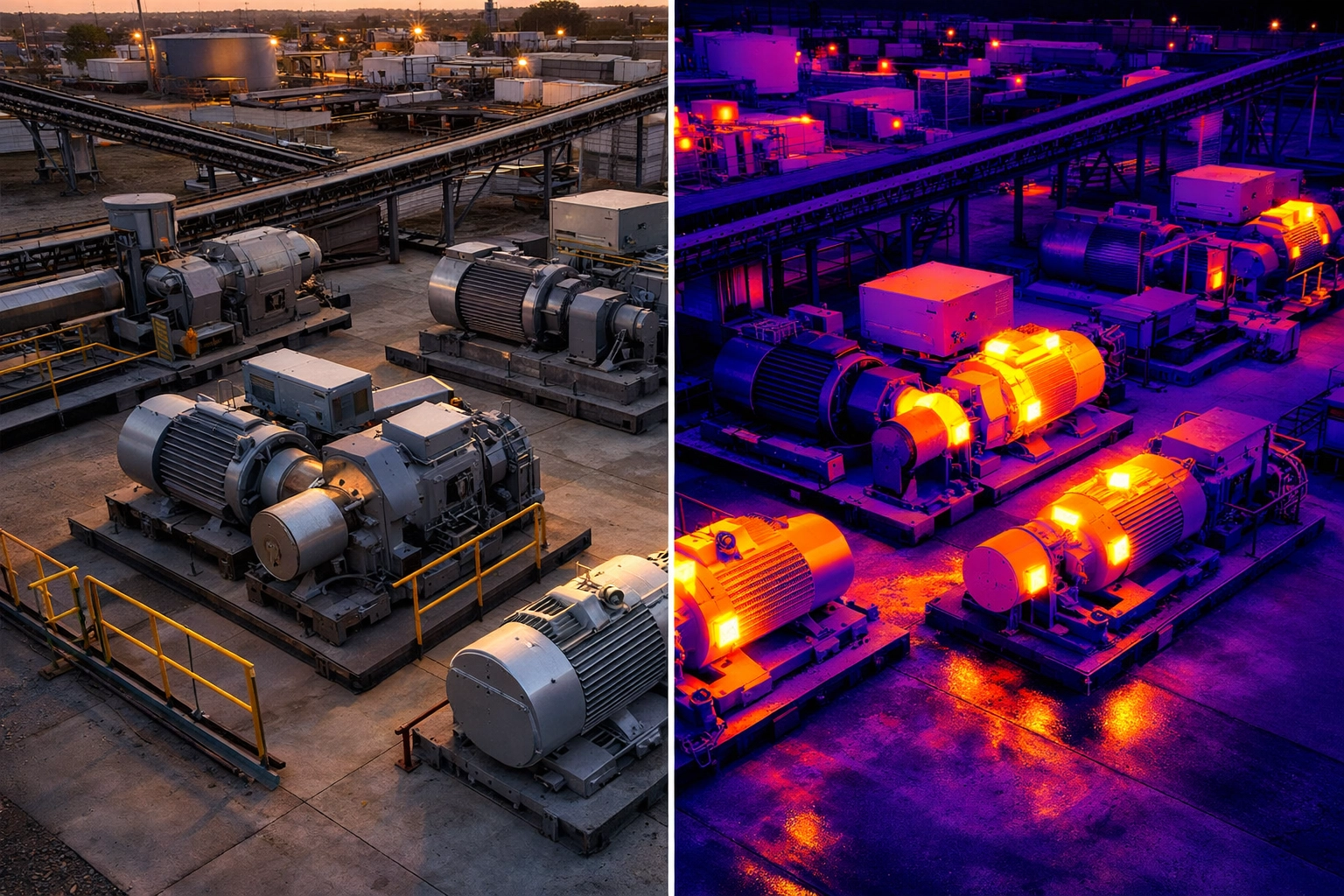
Electric motors, compressors, pumps, and conveyor systems are the workhorses of industrial operations. Thermal imaging reveals mechanical wear through heat signatures.
Bearings generate excess heat as lubrication degrades or misalignment increases friction. Motors drawing high current due to mechanical binding or electrical issues show elevated temperatures. Belt drives with tension problems create hot spots at pulleys.
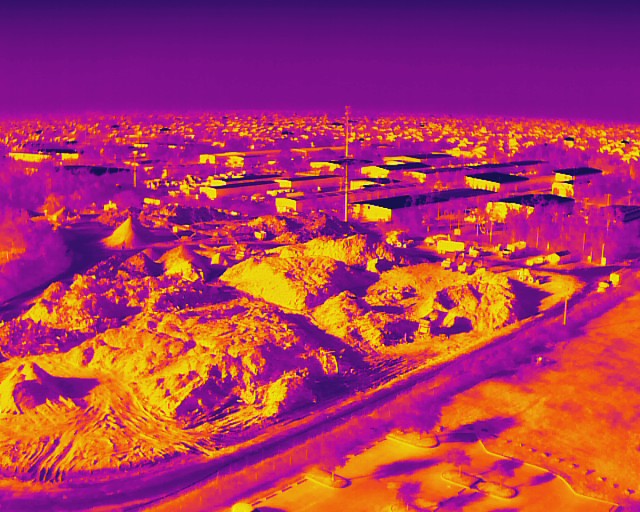
Trending these temperatures over time: comparing each thermal scan against previous baselines: allows predictive maintenance. Schedule bearing replacement when temperatures begin trending upward, not after catastrophic failure halts production.
Roof and Building Envelope Inspections
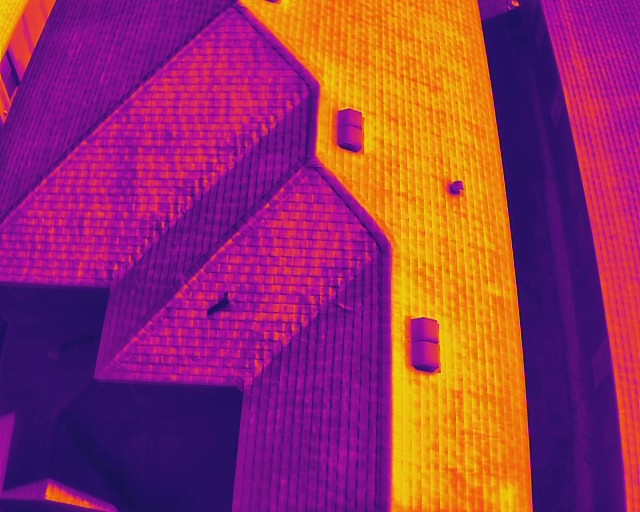
Roof inspection drones with thermal cameras identify moisture intrusion, insulation failures, and membrane defects across commercial roofing systems without physical roof access.
Water trapped beneath roofing membranes retains heat differently than dry insulation: creating distinct thermal patterns. These patterns reveal the precise location and extent of moisture problems, allowing targeted repairs instead of full roof replacement.
Energy loss through building envelopes also appears clearly in thermal imagery. Air infiltration points, insulation gaps, and thermal bridging show as temperature differentials between interior and exterior building surfaces. Identifying these efficiency losses supports strategic energy improvement projects with measurable ROI.
HVAC and Climate Control Systems
HVAC equipment represents major capital investment and ongoing operational cost. Thermal imaging supports HVAC efficiency by identifying airflow problems, refrigerant leaks, and equipment wear.
Ductwork leaks appear as temperature variations along duct runs. Condensing units with failing coils or low refrigerant show abnormal temperature patterns. Rooftop units with motor issues generate detectable heat signatures.
For property managers overseeing multiple buildings or large campuses, aerial thermal surveys provide comprehensive HVAC assessment in hours: not days or weeks of manual inspection.
The ROI Advantage: Why Thermal Inspections Pay for Themselves
Thermal imaging transforms maintenance from cost center to cost avoidance.
Unplanned downtime is expensive. Production equipment failures, electrical outages, and emergency HVAC replacements carry direct costs: repairs, overtime labor, expedited parts: plus indirect costs from lost productivity and missed commitments. A single prevented failure often exceeds the cost of an entire year's thermal inspection program.
Extended asset lifecycles reduce capital spending. Equipment maintained proactively operates longer and more reliably than equipment run to failure. Catching bearing wear early prevents motor damage. Addressing electrical hot spots prevents panel replacement. Finding roof leaks immediately prevents structural damage requiring major repairs.
Energy efficiency improvements deliver ongoing savings. Thermal imaging identifies where conditioned air escapes and where insulation underperforms. The data supports targeted improvements with quantifiable returns: often paying back within one to two years through reduced utility costs.
Insurance and liability protection matters. Thermal documentation of electrical and mechanical systems demonstrates due diligence in facility maintenance. Some insurers recognize proactive thermal inspection programs with reduced premiums.
Professional Standards Matter
Not all thermal imaging delivers reliable results. Level 1 UAS Thermography certification ensures thermal inspections follow established standards for data capture, interpretation, and reporting.
Thermal cameras require proper calibration, appropriate mission planning for environmental conditions, and trained interpretation of imagery. A hot spot might indicate a problem: or it might be solar gain on a dark surface. Understanding emissivity, reflectivity, and environmental factors separates actionable insight from false positives.
Cape UAV's thermal inspection services provide georeferenced thermal imagery with temperature data, visual reference photos, and professional analysis identifying areas requiring attention. Deliverables typically arrive within 12 hours: fast enough to support urgent maintenance decisions while issues remain manageable.
Thermal Imaging as Strategic Maintenance Planning
The most effective maintenance programs use thermal imaging systematically, not reactively.
Baseline thermal surveys capture equipment and building conditions when systems are new or recently serviced. These baselines become reference points for all future inspections: any deviation signals potential problems.
Scheduled thermal trending repeats inspections quarterly or semi-annually, comparing current conditions against historical data. Temperature increases over time reveal declining equipment performance. New anomalies appear as issues develop.
This approach shifts maintenance from calendar-based to condition-based. Replace components when thermal data indicates approaching failure, not because a manual says "replace every X months." The result: higher equipment availability, lower parts inventory requirements, and maintenance resources focused where they deliver maximum value.
Moving from Reactive to Predictive
Traditional maintenance responds to problems. Thermal inspection prevents them.
Whether managing commercial properties, industrial facilities, or infrastructure assets, thermal drone inspection services provide the visibility needed to identify opportunities for efficiency before they become emergencies. The technology reveals what's invisible, the data drives smarter decisions, and the results protect long-term investments.
Professional thermal imaging doesn't replace comprehensive inspections by licensed engineers or specialists: it identifies where those experts should focus attention. The combination of aerial efficiency, thermal insight, and rapid turnaround creates a maintenance strategy built on data, not guesswork.
Important Disclaimer: Thermal imaging provided by Cape UAV is intended to identify opportunities for efficiency and potential areas of concern. It does not replace a comprehensive structural or mechanical inspection by a licensed engineer or professional inspector.