Thermal imaging reveals what the naked eye cannot: subsurface moisture, electrical hot spots, and insulation gaps that compromise building integrity. For facility managers in Southwest Florida, where high humidity and intense solar loading are constant factors, thermal inspections are a critical component of preventative maintenance. However, capturing a heat map is only half the battle.
Errors in data collection or interpretation can lead to missed hazards or expensive, unnecessary repairs. Professional thermal imaging requires more than just a camera; it demands an understanding of thermodynamics, environmental variables, and high-performance hardware.
At Cape UAV, we utilize enterprise-grade technology like the Autel Robotics EVO Lite 6T Enterprise to identify anomalies before they escalate. Below are the seven most common mistakes made during facility thermal inspections and the technical strategies used to fix them.
1. Misinterpreting Normal Heat Signatures as Faults
The Problem:
Every piece of industrial equipment generates heat. A common mistake is assuming that any "hot spot" on a thermal scan indicates a failure. For example, electrical components naturally warm up under load. Untrained observers may flag a functioning circuit breaker as a fire hazard simply because it appears brighter than its surroundings.
The Fix:
Thermal data must be compared against baseline readings and manufacturer specifications. We analyze thermal images back at the office on high-resolution displays to distinguish between expected operational heat and genuine anomalies. Understanding the "normal" state of your facility’s infrastructure is the only way to accurately diagnose a problem.
Why This Matters:
Misdiagnosis leads to "ghost repairs": spending budget on components that aren't actually broken while leaving real issues unaddressed.
2. Neglecting Emissivity and Surface Material Science
The Problem:
Emissivity is the measure of how effectively a surface emits thermal radiation. Not all materials "glow" the same way in the infrared spectrum. Shiny surfaces, like polished metal or certain roof membranes, have low emissivity. They act like mirrors, reflecting the thermal signature of the sky or nearby equipment rather than showing their own temperature.
The Fix:
Professional inspectors must adjust the thermal camera’s settings based on the material being scanned. This requires a deep understanding of the materials common in Cape Coral and Southwest Florida construction. When scanning low-emissivity surfaces, we look for "indirect" indicators of heat or adjust the angle of the drone to minimize reflections.
ROI Advantage:
Correcting for emissivity ensures the temperature data is reliable. Without this adjustment, a roof leak might be hidden by the reflection of the sun, leading to catastrophic structural rot over time.
3. Using Low-Resolution or Consumer-Grade Hardware
The Problem:
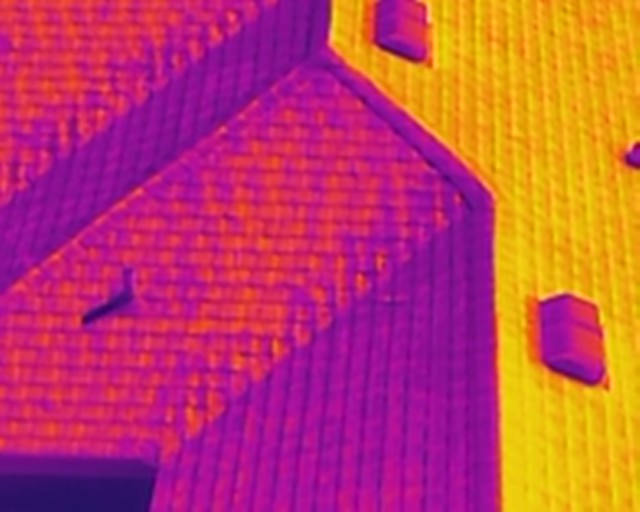
Many operators attempt thermal inspections using entry-level drones with low-resolution sensors. These cameras often lack the sensitivity required to see small temperature deltas, such as the slight cooling effect of trapped moisture under a thick roof membrane.
The Fix:
Enterprise-grade hardware is a non-negotiable requirement for facility inspections. Our primary platform, the Autel Robotics EVO Lite 6T Enterprise (EVO Lite 640T), features a 640×512 thermal sensor. This high resolution allows us to detect minute anomalies from a safe distance.
Technical Spec Highlight:
- 12um Pixel Pitch: A smaller pixel pitch allows for higher spatial resolution, meaning we can see smaller objects and more distinct temperature transitions from further away.
- 50MP Visual Camera: We pair thermal data with 50MP visual imagery to provide a side-by-side comparison, making it easy for facility managers to locate the exact spot of a hidden issue.
4. Failing to Account for "Solar Loading" and Wind
The Problem:
The environment in Southwest Florida is a major variable. Scanning a roof in the middle of a hot July afternoon is often useless because "solar loading" (heat from the sun) masks the internal heat signatures of the building. Conversely, high winds can cool a surface too quickly, "washing out" the thermal contrast needed to find a leak or an electrical hot spot.
The Fix:
Timing is everything. We schedule facility inspections during "thermal crossover" periods: typically just after sunset or early in the morning. This allows the building materials to reach a steady state, making it much easier to see the heat retained by trapped moisture or the heat escaping from a faulty HVAC seal.
Why This Matters:
Inspections conducted at the wrong time of day provide misleading data. Waiting for the right environmental window ensures that the anomalies detected are real, not just artifacts of the Florida sun.
5. Ignoring Safety Protocols and Regulatory Compliance
The Problem:
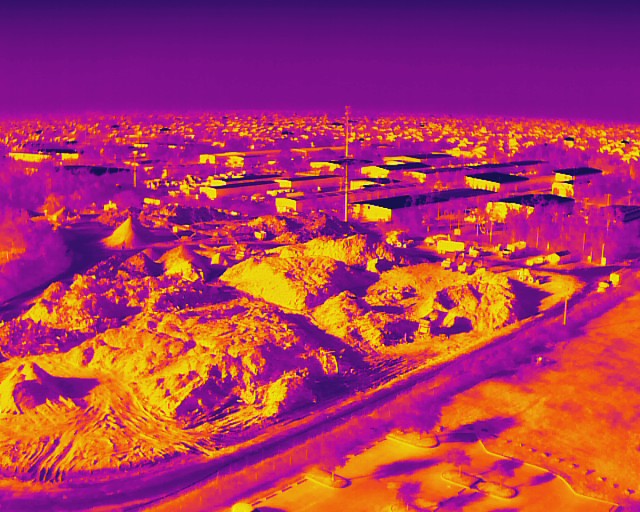
Facility inspections often occur near energized electrical equipment, high-pressure steam lines, or sensitive industrial zones. Untrained drone pilots may fly too close to infrastructure or operate without the proper FAA credentials, creating a liability for the facility owner.
The Fix:
All Cape UAV operations are conducted by Part 107-certified pilots. We prioritize safety by using long-range thermal sensors that allow us to gather data without putting the aircraft or your personnel at risk. Additionally, our equipment features an IP43 rating, providing protection against dust and water spray: essential for maintaining reliability in the unpredictable coastal weather of Southwest Florida.
Disclaimer: Autel Robotics is a trademark of its respective owner; Cape UAV is not affiliated with or endorsed by Autel Robotics.
6. Lack of Standardized Documentation and Repeatability
The Problem:
One-off thermal images are helpful, but they don't tell the whole story. Without a standardized way to document findings, it is impossible to track the progression of a fault over several months. Facility managers often receive a folder of photos with no context on where they were taken or what the baseline temperature was.
The Fix:
We focus on high-resolution mapping and documentation. By creating a thermal orthomosaic: a stitched-together map of your entire facility: we provide a comprehensive view that can be compared year-over-year. This allows you to watch a "warm" circuit breaker or a damp spot on the roof and plan for its repair during scheduled downtime rather than reacting to a sudden failure.
| Feature | Consumer Drone | Cape UAV Enterprise Service |
|---|---|---|
| Thermal Resolution | 160×120 or 320×240 | 640×512 High Resolution |
| Pixel Pitch | 17um – 20um | 12um (Finer Detail) |
| Weather Rating | None | IP43 (Dust/Spray Resistant) |
| Pilot Certification | Variable | Always FAA Part 107 |
| Deliverables | Individual Photos | Annotated Maps & Reports |
7. Operating Without Professional Analysis
The Problem:
The "DIY" approach to thermal imaging often stops at taking the picture. Without professional interpretation, a facility manager might see a bright spot on an HVAC unit and assume the motor is failing, when in reality, it is simply a reflection of a nearby exhaust vent.
The Fix:
Data is only as good as the analysis behind it. Our thermal imaging services support facility maintenance workflows by identifying potential issues that are invisible to the naked eye. We provide the data you need to consult with your licensed electricians or roofers, allowing them to go straight to the problem area instead of hunting for the source of a leak or a fault.
The ROI of Professional Thermal Inspections
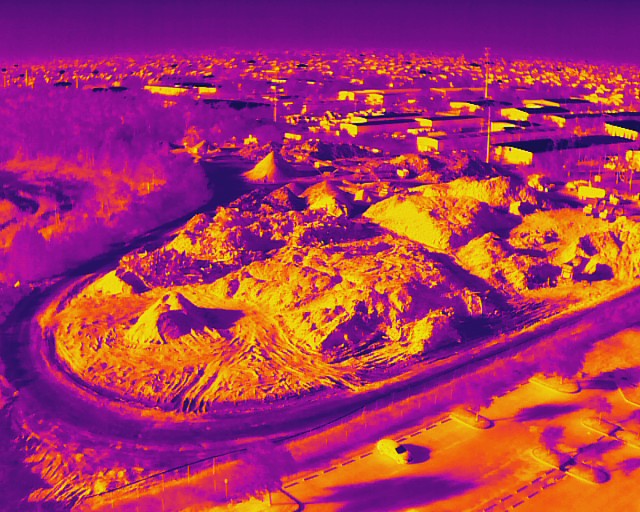
Investing in a high-resolution thermal inspection is about risk mitigation. In industrial and commercial facilities, the cost of an unplanned shutdown can reach thousands of dollars per hour.
- Preventive Maintenance: Detect failing electrical components before they cause an arc flash or fire.
- Energy Efficiency: Identify areas of significant heat loss or air infiltration to support your energy efficiency initiatives.
- Structural Longevity: Find subsurface roof moisture before it requires a full deck replacement.
By using the right equipment: like the Autel Robotics EVO Lite 6T with its 12um pixel pitch: and the right personnel, you ensure that your facility remains operational, safe, and efficient.
Important Disclaimer
Thermal results indicate anomalies and are not a substitute for evaluation by a licensed professional. Cape UAV does not provide licensed land surveying or engineering services. Our data is for planning and inspection support purposes only.
Ready to see the invisible issues in your facility?
Visit our Thermal Imaging page to learn more about our technical capabilities or Contact Us to schedule a consultation for your Southwest Florida property.
Important Disclaimer:
Thermal imaging and mapping data are for informational and inspection support purposes only. Cape UAV does not provide licensed land surveying or engineering services. Thermal results indicate anomalies and are not a substitute for evaluation by a licensed professional. Our data is for planning purposes and is not a substitute for a licensed land survey.