
Thermal imaging represents the most critical advancement in utility maintenance since the introduction of the digital multimeter. By capturing the infrared radiation emitted by electrical components: energy that is invisible to the naked eye: drones provide a non-contact method for assessing system health under full load.
For facility managers and electrical contractors in Southwest Florida, this technology eliminates the guesswork associated with preventative maintenance. It transforms reactive "break-fix" cycles into a proactive strategy that identifies faults before they manifest as catastrophic failures or service interruptions.
In cities like Cape Coral and Fort Myers, where high humidity and salt-laden air accelerate the corrosion of electrical joints, thermal inspections are no longer optional: they are a fundamental requirement for infrastructure longevity.
The Technical Edge: Autel EVO Lite 640T Capabilities
Effective thermal diagnostics require a high degree of spatial and thermal resolution to distinguish between normal operating temperatures and legitimate anomalies. At Cape UAV, our primary platform for these technical missions is the Autel Robotics EVO Lite 6T Enterprise (EVO Lite 640T).
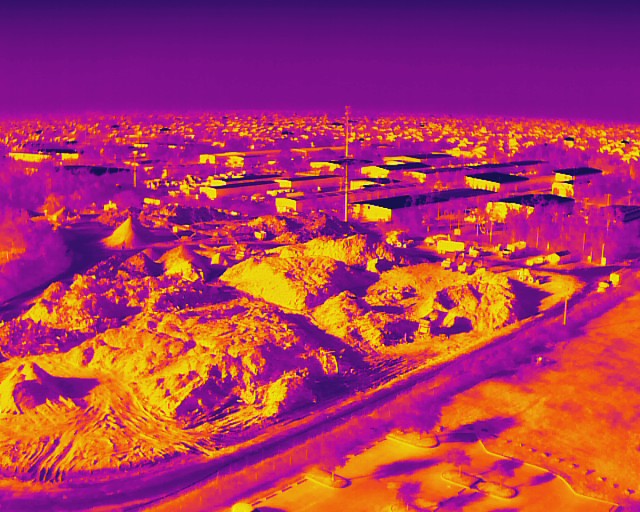
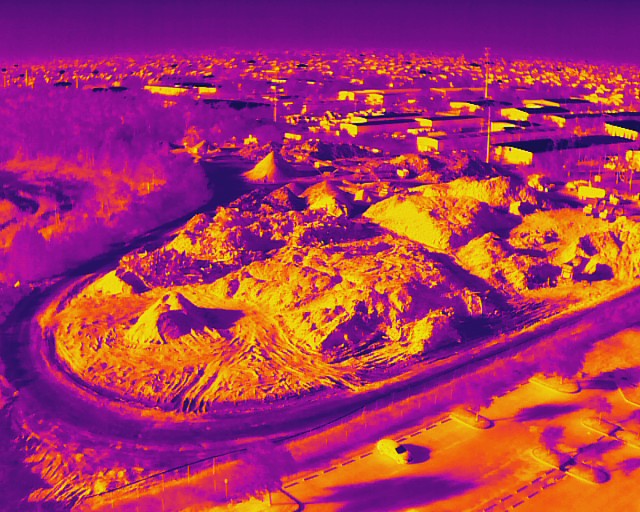
This aircraft is equipped with a dual-sensor payload featuring a 640×512 thermal sensor alongside a 50MP visual camera. The 640-pixel horizontal resolution is a critical industry standard: delivering four times the data of entry-level 160×120 sensors: which allows our pilots to maintain safe standoff distances while capturing granular detail on small components like busbars and fused disconnects.
By utilizing this high-resolution sensor, we can pinpoint minute temperature differentials that indicate high-resistance connections or failing insulation. This level of detail is essential for generating the actionable data required by electrical contractors to prioritize repairs across large-scale industrial sites or utility networks.
Identifying Common Electrical Faults
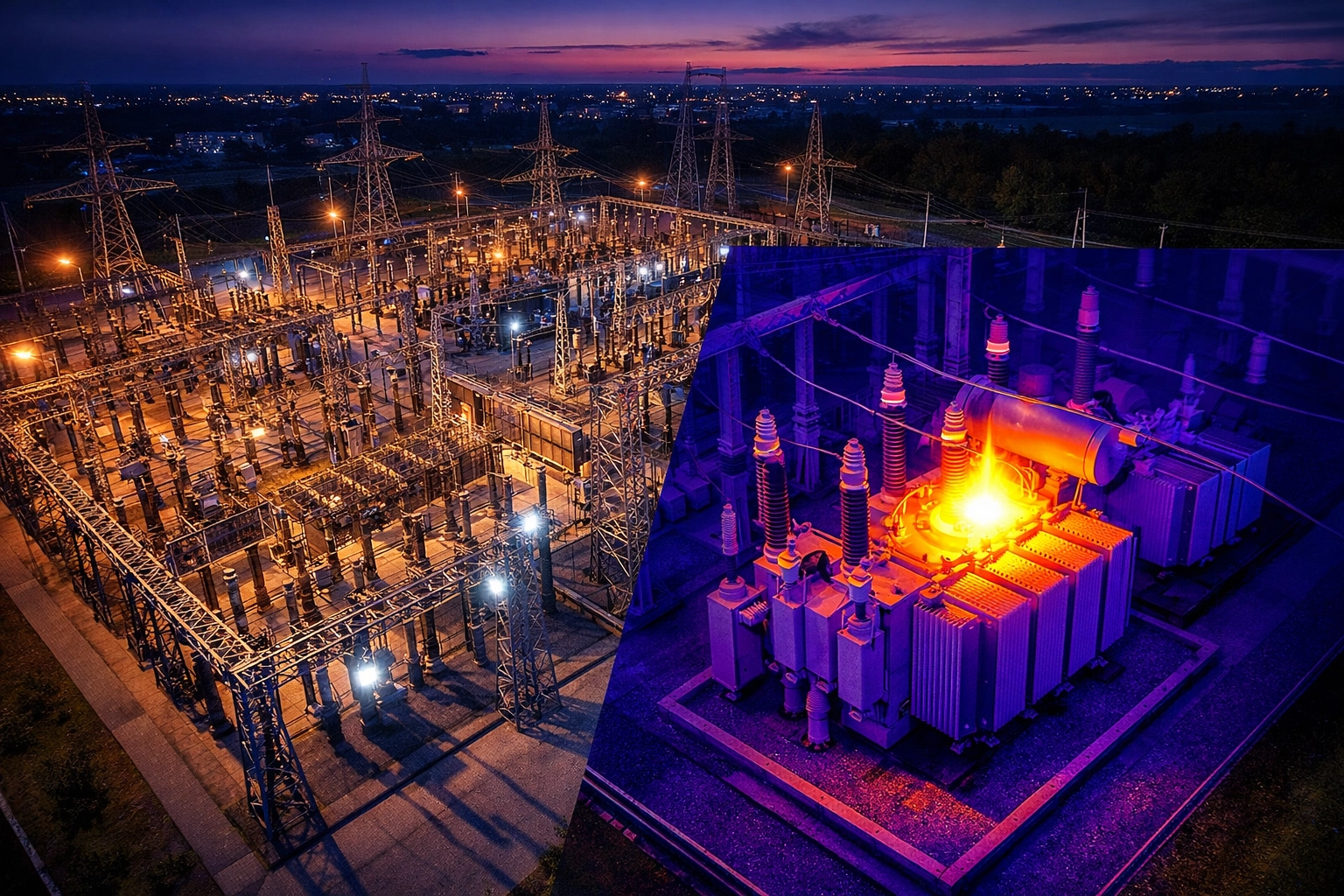
Electrical faults typically manifest as localized "hot spots" long before a breaker trips or a transformer fails. These anomalies are the result of increased resistance: often caused by oxidation, loose hardware, or component degradation: which generates excessive heat as current flows through the point of failure.
Thermal drones are particularly adept at identifying several classes of infrastructure issues:
- Loose or Corroded Connections: These appear as distinct points of intense heat at terminals or splices.
- Load Imbalances: By comparing the thermal signatures of different phases in a three-phase system, we can identify circuits that are carrying disproportionate loads.
- Failed Insulation: Degraded insulators on transmission lines or within substations show abnormal heat signatures as they begin to track current to ground.
- Internal Component Failure: Overheating within oil-filled transformers or capacitor banks often signals internal dielectric breakdown or cooling system issues.
Why This Matters for Southwest Florida
The environmental conditions in Fort Myers and Cape Coral are uniquely aggressive toward electrical infrastructure. Persistent moisture and salt spray lead to rapid oxidation on aluminum and copper surfaces: creating high-resistance junctions that are prime candidates for thermal runaway if left unmonitored.
ROI through Fire Prevention and Reduced Downtime
The financial justification for thermal drone inspections is rooted in risk mitigation and the avoidance of "emergency" labor rates. When an electrical fault leads to a fire or a total facility blackout, the costs extend far beyond the repair: they include lost production time, data corruption, and potential legal liabilities.
A single thermal inspection can identify a failing $200 breaker before it causes $50,000 in damage to a motor control center. This proactive approach allows facility managers to schedule repairs during planned outages: significantly reducing the labor costs associated with emergency weekend or after-hours service calls.
Furthermore, many insurance providers now recognize the value of regular thermal imaging in reducing fire risk. Documenting consistent inspections can, in some cases, support lower premiums or satisfy the rigorous audit requirements of high-value industrial policies.
Technical Headers: Analyzing Load Imbalances and Efficiency
Beyond simple fault detection, high-resolution thermal data allows engineering teams to identify opportunities for efficiency within their power distribution networks. When systems operate at high temperatures due to poor connections or unbalanced loads, they are essentially wasting energy as heat rather than delivering it to the end-use equipment.
By normalizing the thermal data against ambient temperatures and current loads, we provide contractors with a clear map of system performance. This data reveals where the system is working harder than necessary: allowing for precise adjustments that extend the operational lifespan of expensive switchgear and distribution transformers.
Why It Matters:
- Reduces the "thermal stress" on sensitive electronic components nearby.
- Lowers facility energy consumption by reducing resistive losses.
- Prevents premature "nuisance tripping" of circuit breakers during peak load periods in the Florida summer.
Enhancing Site Safety for Personnel
Traditional electrical inspections often require technicians to open energized cabinets or use ladders and bucket trucks to get close to high-voltage lines. This exposes workers to the risk of arc flash and falls: two of the leading causes of workplace injuries in the electrical industry.
Drone-based inspections allow for the initial assessment to be conducted from a safe distance while the equipment is under normal operating conditions. This "safety-first" workflow means that technicians only need to interact with energized equipment once a specific problem area has been identified and the appropriate safety protocols are in place.
For utility companies managing miles of distribution lines, the ability to inspect insulators and transformers from the air eliminates the need for manual climbing or heavy equipment deployment: drastically reducing the man-hours required for routine system audits.
Thermal Imaging for Solar Infrastructure
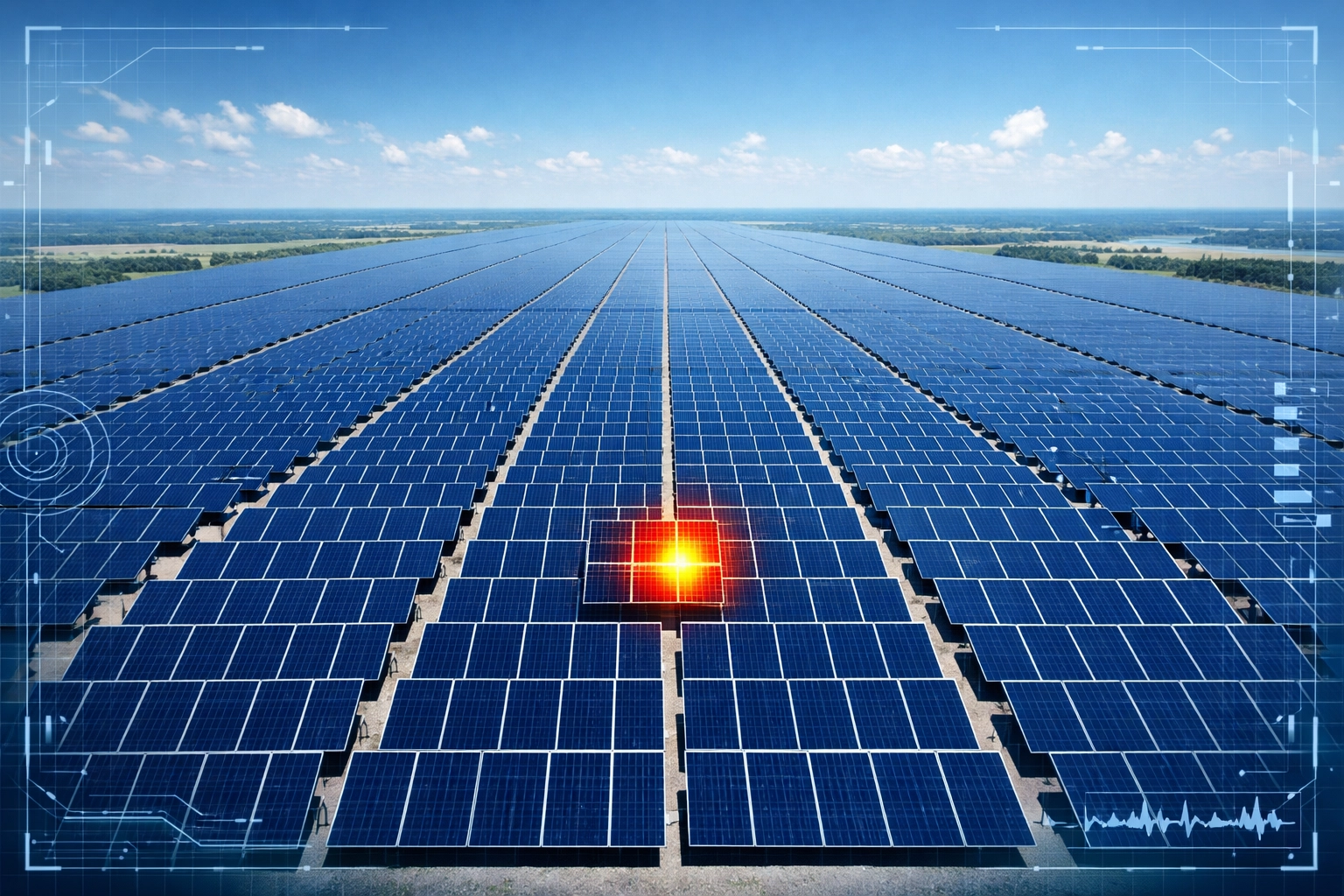
As solar energy adoption grows across Southwest Florida, the need for efficient panel inspections has become paramount. A 640×512 thermal sensor can identify "hot cells" or bypassed diodes within a solar array in a fraction of the time it would take a ground-based technician.
A single faulty cell can not only reduce the output of an entire string but also create a localized heat source that can eventually lead to glass cracking or fire. Thermal drones provide a comprehensive overview of the entire array: identifying performance bottlenecks and ensuring that the owner’s return on investment is not being eroded by invisible defects.
By integrating thermal data with high-resolution visual imagery, Cape UAV provides a dual-layered report. This allows maintenance teams to see exactly which panel is underperforming and visually confirm if the issue is a hardware failure or simply a buildup of debris or bird droppings.
Data-Driven Reporting and Maintenance Planning
The output of a Cape UAV thermal inspection is not just a collection of images: it is a technical report designed for professional evaluation. We provide high-resolution radiometric imagery where every pixel contains temperature data, allowing for precise post-flight analysis.
This data-focused approach allows facility managers to track the degradation of specific components over time. If a transformer connection shows a 5-degree rise in temperature between annual inspections, it can be flagged for monitoring or replacement before it reaches a critical threshold.
This level of insight is what separates modern drone inspections from traditional manual methods. It provides a level of clarity and control that was previously unavailable to anyone without a massive internal maintenance budget and specialized equipment.
Important Disclaimer:
Thermal results indicate anomalies and are not a substitute for evaluation by a licensed professional.
Conclusion: Protecting the Grid with Precision
In an era where infrastructure reliability is non-negotiable, thermal drone inspections provide the most efficient path to system resilience. By combining the enterprise-grade capabilities of the Autel EVO Lite 640T with a deep understanding of thermal physics, Cape UAV helps Southwest Florida businesses protect their most critical assets.
Identifying faults early is the only way to prevent the high costs of failure. Whether you are managing a manufacturing plant in Fort Myers or an office complex in Cape Coral, the visibility provided by thermal imaging ensures your electrical systems remain safe, efficient, and operational.
Important Disclaimer:
Thermal results indicate anomalies and are not a substitute for evaluation by a licensed professional. Our data is for planning purposes and is not a substitute for a licensed land survey.
Autel Robotics is a trademark of its respective owner; Cape UAV is not affiliated with or endorsed by Autel Robotics. Equipment includes models such as the Autel Robotics EVO Lite 6T Enterprise (EVO Lite 640T). Flight performance and data results depend on atmospheric conditions and site-specific variables.